
The FIFA World Cup 2026 marks the dawn of a new era. For the first time, 48 nations will battle across North America in the biggest World Cup ever. More teams, more matches, more drama — but at what cost? Will this expansion breathe fresh life into the beautiful game, unleashing new Cinderella stories? Or will it dilute the elite competition we’ve come to love?
As qualification races heat up in February 2026, fans worldwide are buzzing. Extra slots for Africa, Asia, and CONCACAF have already sparked surprises, promising underdogs a real shot. Let’s dive deep into the new structure, its implications, and the heated debate raging across the soccer world.
Breaking Down the New Tournament Structure
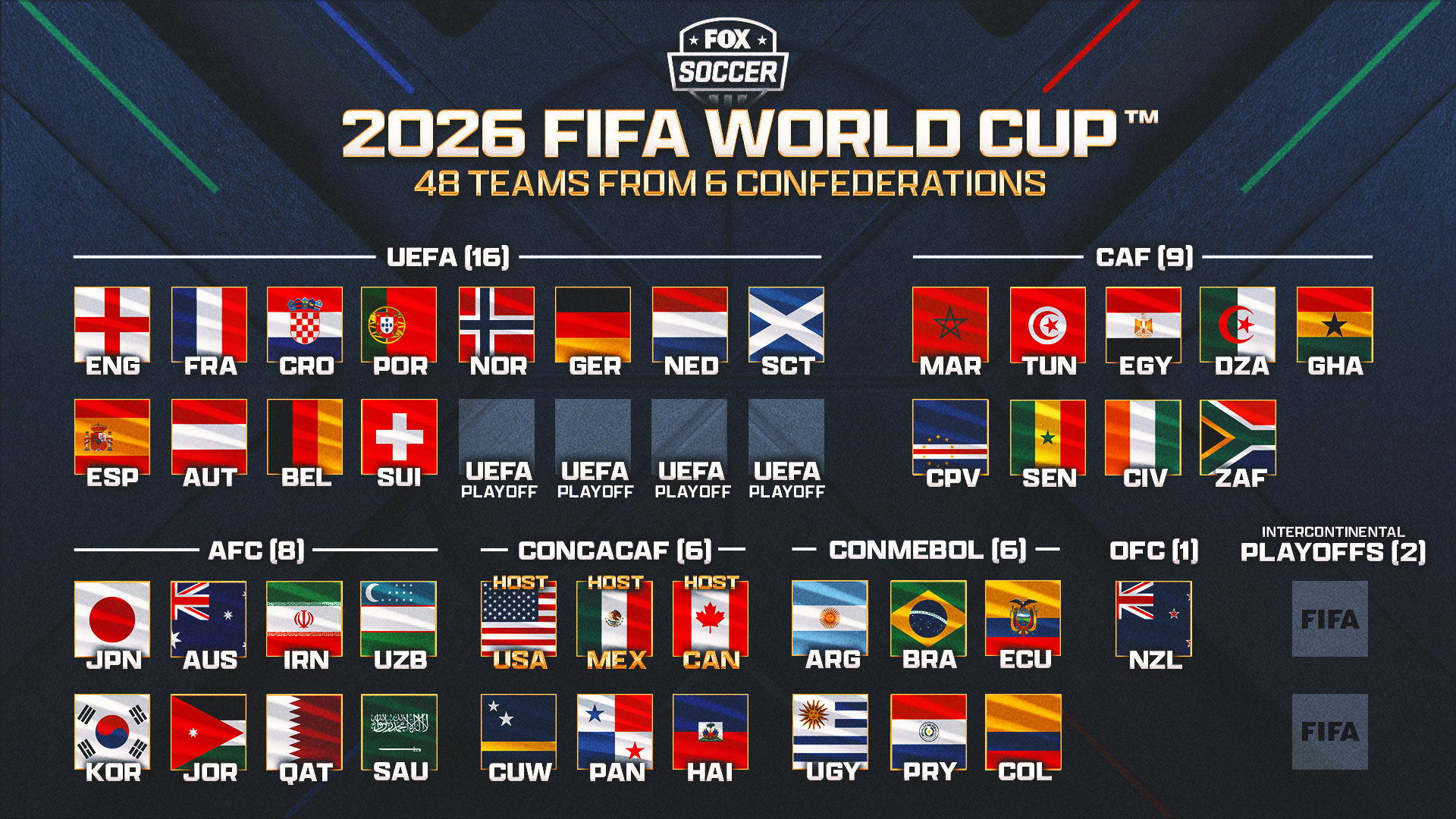
FIFA settled on this format after years of proposals: 12 groups of 4 teams each. Every team plays three group-stage matches. The top two from each group (24 teams) advance automatically, joined by the eight best third-placed teams, making a knockout field of 32.
From there, it’s single-elimination:
- Round of 32
- Round of 16
- Quarter-finals
- Semi-finals
- Third-place match
- Final
The champion will play up to 8 matches — one more than before. Total games? A whopping 104, up from 64 in the 32-team era.
Here’s a quick comparison:
| Aspect | 32-Team Format (1998–2022) | 48-Team Format (2026) |
|---|---|---|
| Total Teams | 32 | 48 |
| Groups | 8 groups of 4 | 12 groups of 4 |
| Teams Advancing | Top 2 per group (16 total) | Top 2 per group + 8 best 3rds (32 total) |
| First Knockout Round | Round of 16 | Round of 32 |
| Total Matches | 64 | 104 |
| Max Matches for Winner | 7 | 8 |
| Tournament Length | ~29 days | ~39–40 days |
This isn’t just bigger — it’s fundamentally different.
Group Stage Implications: Safety Net or Strategic Shift?
With 32 out of 48 teams advancing (over 66%), the group stage feels less cutthroat. In the old format, only half made it out. Now, a single loss rarely ends dreams — third place with 3–4 points could sneak through.
What this means:
- More attacking football? Teams might risk more, knowing a draw or two keeps hope alive.
- Fewer dead rubbers: Even bottom sides could fight for that valuable third-place ranking.
- Tactical evolution: Powerhouses like Brazil or France might rotate squads earlier, while minnows park the bus for points.
But critics warn of complacency. Will top teams coast, leading to sloppy play? Or will the bigger field force everyone to stay sharp longer?
The Knockout Explosion: An Extra Layer of Drama
That new Round of 32 is the game’s biggest wildcard. It injects 16 extra high-stakes matches right after the groups — think potential David-vs-Goliath clashes from the start.
Imagine a third-place qualifier like a resurgent African side facing a group winner like Argentina. One-off knockout magic, earlier than ever.
The downside? Fatigue. With travel across the vast USA, Canada, and Mexico, plus an extra game, player welfare is a hot topic. But for fans? Pure adrenaline.
Dilution or More Magic? The Big Debate
This expansion has divided the soccer world like few changes before.
The Critics’ Case (Dilution Fears):
- Lower-ranked teams could lead to lopsided scorelines (think 7-0 thrashings).
- The tournament might feel bloated, with quality suffering for quantity.
- It’s seen by some as a cash grab — more games mean more revenue for FIFA.
The Proponents’ Case (Inclusivity Wins):
- Soccer is global — why not reflect that? Africa jumps to 9+ slots, Asia to 8+, opening doors for emerging nations.
- Past expansions (to 24 in 1982, 32 in 1998) faced similar backlash but delivered iconic moments.
- More teams = more unpredictability = more unforgettable stories.
History backs the optimists. When the World Cup went to 32 teams, doubters cried dilution. Yet we got Croatia’s 1998 final run, South Korea’s 2002 semis, and Ghana’s heartbreak in 2010.


Just look at Qatar 2022: Morocco became the first African side to reach a semi-final, stunning Spain and Portugal. Saudi Arabia shocked Messi’s Argentina in one of the greatest upsets ever. Costa Rica topped a “group of death” with Uruguay, Italy, and England in 2014.
In 2026, with eight third-place spots and extra continental slots, we could see even wilder runs. An Asian powerhouse like Japan going deep? An African giant breaking through? Oceania finally winning a match?
Why 2026 Could Deliver the Most Exciting World Cup Yet
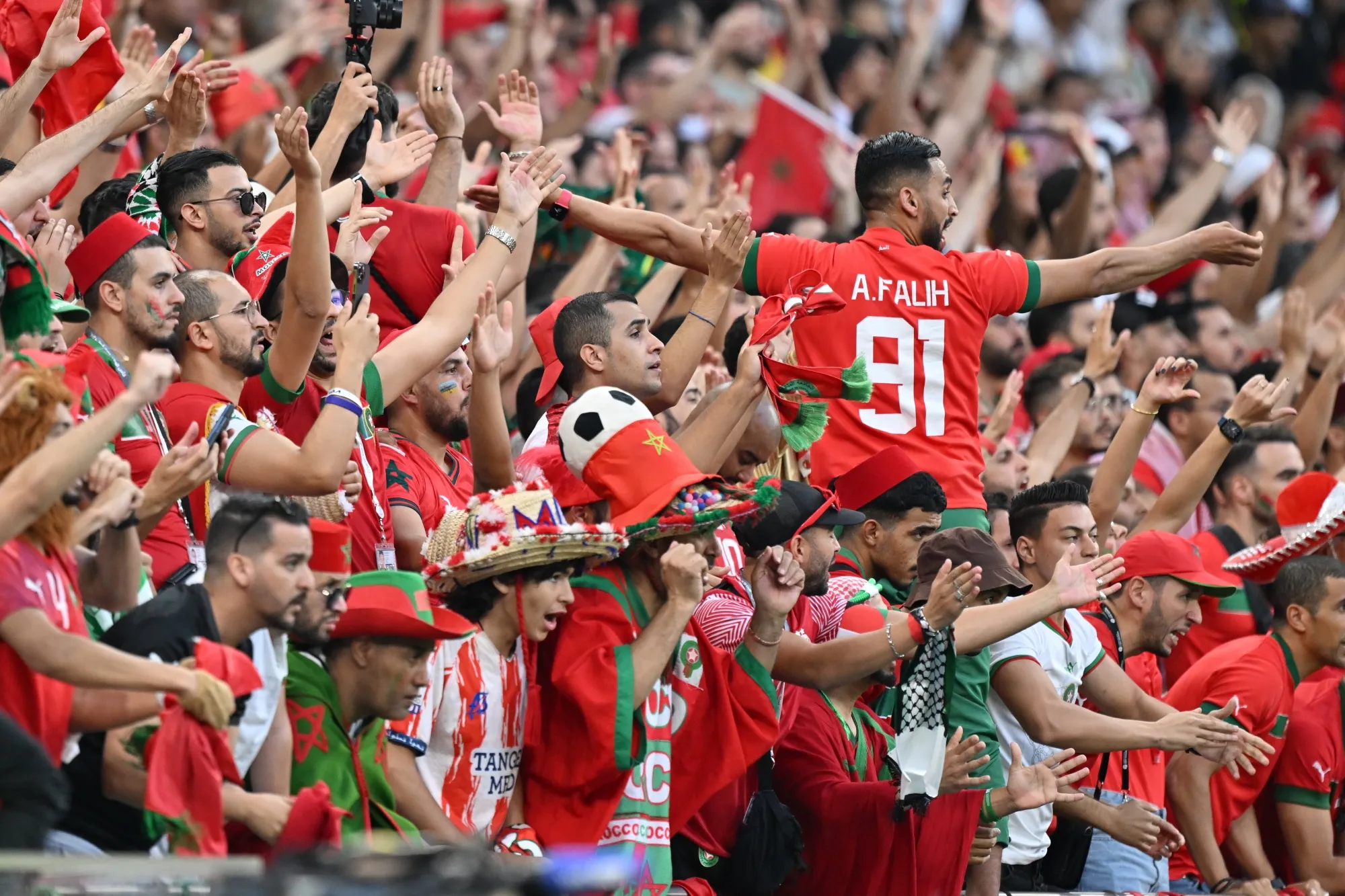
The expanded format isn’t perfect — it’s a bold experiment. But soccer thrives on chaos, passion, and the impossible. More nations on the biggest stage means more fans, more stories, more moments that live forever.
Whether it dilutes the elite level or unleashes a wave of new heroes, one thing is certain: 2026 will be unforgettable. The 48-team era is here — and it’s about to change everything. Who’s ready for the ride?